In brief: Choose by the role you want to have. A sound bath is usually presented as a listening-centered experience; a drum workshop asks you to make sound and learn or share a pattern. Read the specific event description because sound levels, movement, instruments, and group expectations vary.
Compare the participation style
Swipe to compare both options
| Question | Sound experience | Drum workshop |
|---|---|---|
| Typical role | Primarily listening | Trying sounds and patterns |
| Ask about | Volume, seating, duration | Instrument, instruction, group format |
| Do not assume | A guaranteed health outcome | A required solo performance |
Listening and making are different starting points
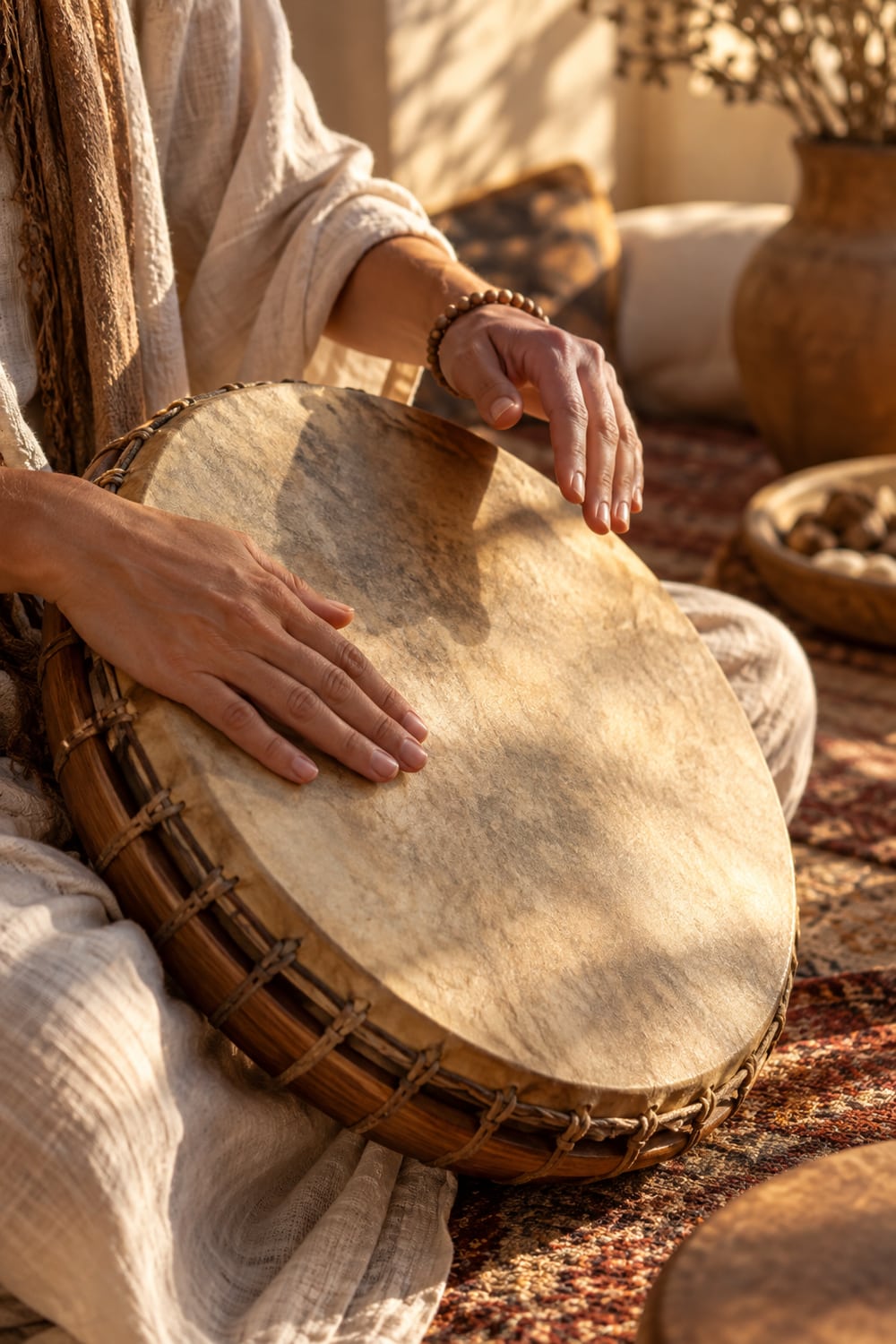
In a sound experience, a guest may primarily listen while a practitioner plays instruments. In a participatory workshop, the facilitator normally explains a practice and invites guests to try it. Both can involve attention to sound, but the social and physical experience may be very different.
Do not assume either format is silent, quiet, therapeutic, or comfortable for everyone. Ask about volume, duration, seating, instruments, and the option to step away before you commit.
- Would you rather listen or make sound?
- Will you be asked to move or play alone?
- What is the sound level and can you pause?
Compare the teaching promise
A workshop should make its learning aim clear: the instrument, the first technique, the group format, and whether beginners are welcome. A sound bath description should make the guest's role and the sensory environment clear. If the page speaks only in broad emotional promises, ask what will actually happen.
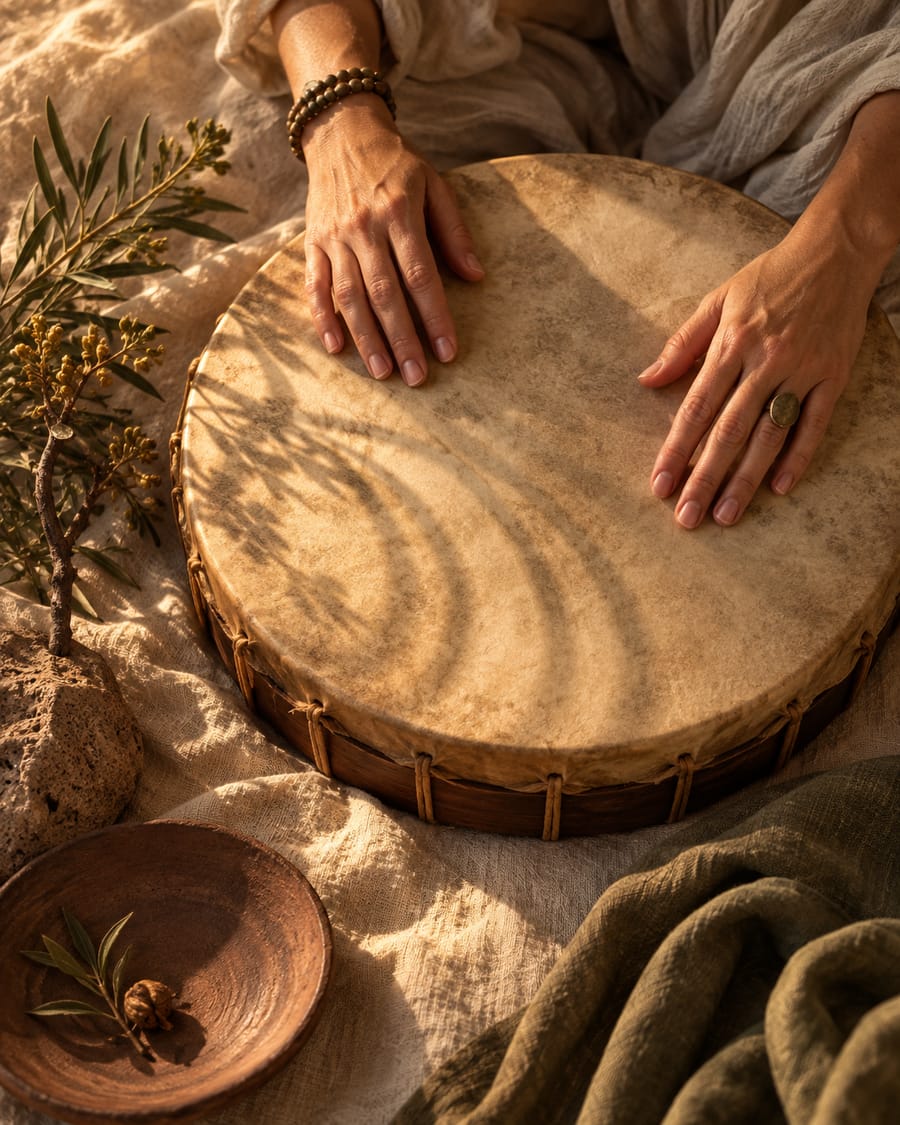
Frame Drum School describes group classes with technique and call-and-response, demonstrating a hands-on model. That example does not describe every drumming event or a future Sanctuary program.
- What will I do in the first ten minutes?
- What will be demonstrated or practiced?
- What is optional?
Keep outcomes in proportion
People can value either experience for many personal reasons, but neither format should be treated as a guaranteed medical or emotional treatment. If a provider makes a specific health claim, evaluate that claim separately from the event's creative appeal.
The Sanctuary's proposed pathways mention sound and rhythm, but specific experiences, practitioners, schedules, and access arrangements are still to be confirmed.
- Choose the participation style first.
- Ask for concrete event details.
- Treat broad benefit language with care.
Sources and further reading
About this guide. This is planning and creative-practice guidance from The Sanctuary's developing concept. It does not describe an available retreat or make a medical claim. Found something that needs correction? Email us.